Bipolar disorder is complex, unpredictable, and often difficult to manage...
Continue Reading
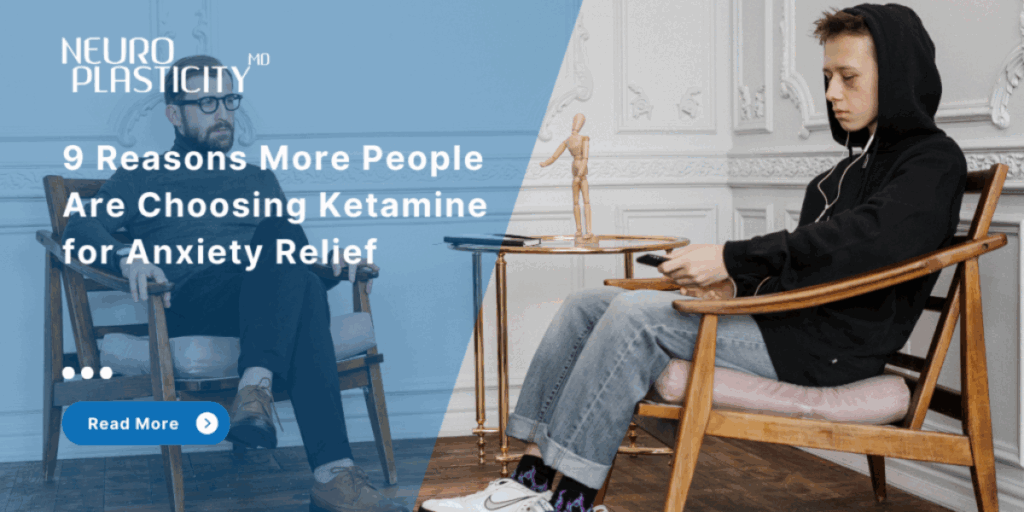
Anxiety disorders are among the most common mental health challenges, yet many people find that traditional medications and therapy don’t provide enough relief. That’s why more individuals are turning to ketamine for anxiety treatment. Unlike standard medications that can take weeks, ketamine often provides noticeable improvements within hours.
If you’re looking for Ketamine Treatment near Me, below are 9 compelling reasons patients are choosing ketamine for anxiety relief, supported by research and clinical experience.
When anxiety symptoms peak, waiting weeks for an SSRI or months for therapy results can feel unbearable. Ketamine changes the timeline. Many patients report meaningful improvements within 24 hours of their first session.
Key benefits of ketamine’s fast-acting approach:
Reduces racing thoughts and panic symptoms quickly.
Provides relief during periods of acute stress.
Offers hope to patients who feel stuck waiting for medications to work.
This rapid onset makes ketamine particularly valuable for people experiencing severe anxiety or co-occurring depression.
Not everyone responds to standard medications. In fact, research suggests that as many as 30–50% of people with generalized anxiety disorder don’t get adequate relief from SSRIs, SNRIs, or benzodiazepines. Ketamine provides an alternative.
By acting on the glutamate system rather than serotonin or dopamine, ketamine takes a completely different approach to calming the brain. For those who have tried everything else without success, ketamine can finally open the door to lasting relief.

Anxiety is often reinforced by rigid brain pathways that lock people into cycles of fear and worry. Ketamine interrupts these cycles by boosting neuroplasticity, the brain’s ability to form new, healthier connections.
How neuroplasticity helps reduce anxiety:
Encourages new thought patterns, breaking repetitive worry cycles.
Increases emotional flexibility, helping patients respond better to stress.
Enhances the brain’s receptivity to therapy and mindfulness practices.
This combination of immediate symptom relief and long-term brain rewiring is why ketamine is considered one of the most promising modern treatments for anxiety.
Every patient has unique needs, and ketamine therapy offers multiple methods of administration. Options include IV infusions, intramuscular injections, and intranasal sprays such as Spravato®. This flexibility allows clinicians to personalize treatment based on medical history, comfort, and goals.
Discussing these choices with a provider helps patients find the right balance of safety, convenience, and effectiveness.
Ketamine for anxiety is not just anecdotal, it is backed by a growing body of evidence. Clinical trials show significant reductions in anxiety scores after a short series of sessions, with results often maintained through booster treatments or integration with therapy.
Studies also highlight ketamine’s effectiveness for individuals with anxiety linked to trauma, obsessive thinking, and even bipolar disorder. While research is ongoing, the data consistently supports ketamine as one of the most promising new approaches in mental health care.
Anxiety disorders come in many forms, and ketamine has shown potential benefits across the spectrum:
Generalized Anxiety Disorder (GAD): Eases constant worry and restlessness.
Social Anxiety Disorder (SAD): Reduces fear of judgment in social settings.
Obsessive-Compulsive Disorder (OCD): Weakens intrusive thought patterns.
Post-Traumatic Stress Disorder (PTSD): Helps calm trauma-related flashbacks and hypervigilance.
Panic Disorder: Reduces frequency and intensity of panic attacks.
This wide applicability makes ketamine a versatile tool for patients with complex or overlapping anxiety symptoms.
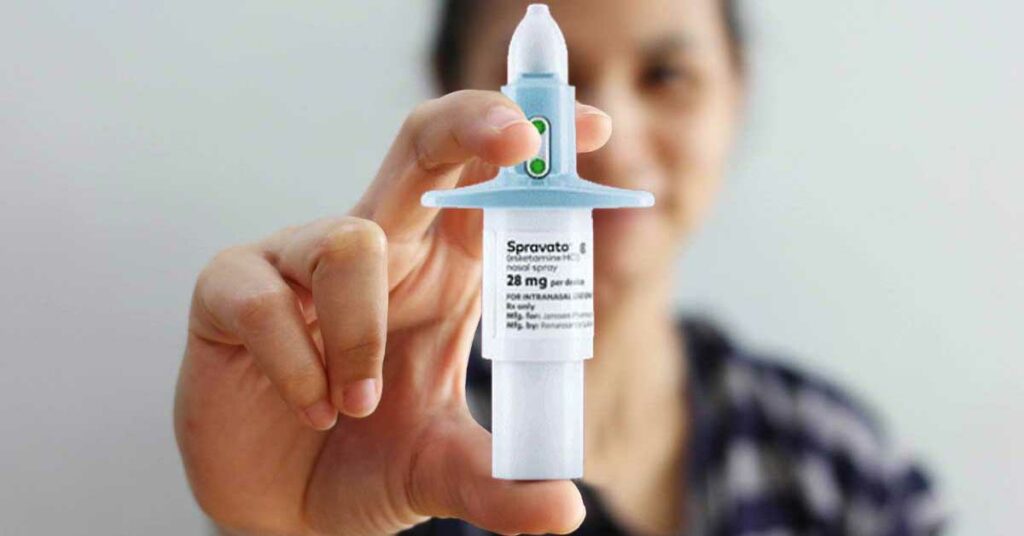
Many psychiatric medications cause side effects that can interfere with daily functioning. By comparison, ketamine’s side effects are generally short-lived and carefully managed in a clinical setting.
Patients may experience temporary dizziness, nausea, or mild dissociation during treatment. However, these effects usually fade within an hour, and most patients can return to their normal routines the same day. This makes ketamine one of the most practical and accessible advanced treatments available.
While ketamine can reduce symptoms quickly, integrating it with therapy enhances long-term results. Ketamine-assisted psychotherapy takes advantage of the brain’s heightened neuroplasticity to help patients process emotions, release trauma, and learn new coping strategies.
This integration helps translate short-term relief into lasting improvements in mental health, making ketamine more than just a temporary fix.
Ketamine has been FDA-approved as an anesthetic for decades, with a well-established safety profile. Today, under medical supervision, it is legally used off-label for anxiety and depression treatment.
Many clinics, including those in New Jersey, now work with insurance providers to improve access and affordability. This combination of medical oversight, legality, and increasing insurance coverage helps patients feel confident and supported in their treatment journey.
Cost is an important consideration when exploring any treatment. The Ketamine Treatment Cost NJ varies depending on several factors, including the type of administration (IV infusion, intramuscular injection, or intranasal spray), the number of sessions recommended, and whether insurance coverage applies. Some clinics offer bundled packages for an initial treatment series, while others provide payment plans to make care more accessible.
Because ketamine works differently from traditional medications, patients often find value in its rapid results and potential to reduce reliance on multiple prescriptions. Speaking directly with a provider is the best way to understand what costs to expect and how insurance or flexible payment options may help.
Anxiety doesn’t have to define your daily life. With ketamine therapy, you have access to a treatment that works quickly, supports long-term brain health, and offers hope even when other approaches have failed. If you’re ready to explore whether this innovative treatment is right for you, our team at Neuroplasticity MD is here to help.
Schedule your consultation today and discover how ketamine therapy can provide the calm, clarity, and confidence you’ve been searching for.
Bipolar disorder is complex, unpredictable, and often difficult to manage...
Continue ReadingLiving with obsessive-compulsive disorder can feel exhausting in ways that...
Continue ReadingAnxiety disorders affect millions of adults nationwide and remain one...
Continue ReadingMost patients feel relief within hours of treatment, with benefits often lasting several days to weeks. For longer-term results, providers may recommend a series of initial treatments followed by maintenance sessions spaced out over time. Many patients also combine ketamine therapy with counseling or lifestyle strategies to extend the benefits. While results vary, this structured approach helps ensure ketamine isn’t just a short-term fix but part of a comprehensive plan for managing anxiety.
Side effects are typically mild and temporary. Patients may feel lightheaded, experience mild nausea, or notice a brief sense of dissociation during treatment. These effects usually resolve within an hour and are carefully monitored by medical staff. Compared to long-term side effects associated with SSRIs or benzodiazepines, ketamine’s short-lived side effects are often considered more manageable. Providers also offer support such as anti-nausea medication when needed, ensuring patient safety and comfort.
Research shows ketamine can provide relief across multiple types of anxiety, including generalized anxiety, social anxiety, OCD, panic disorder, and PTSD. However, each patient’s experience is unique. Some may notice dramatic improvements, while others may need combined approaches with therapy or other medications. The versatility of ketamine, along with its ability to enhance neuroplasticity, makes it especially effective for patients with complex or overlapping symptoms that don’t respond to standard treatments.
Standard medications like SSRIs work on serotonin, which can take weeks to show results. Ketamine, by contrast, targets glutamate and triggers rapid changes in brain connectivity. This means patients may notice relief after just one or two treatments. In addition, ketamine promotes neuroplasticity, allowing the brain to “reset” and form healthier pathways. This makes it not only a fast-acting option but also one with potential long-term benefits, especially when paired with therapy or other supportive treatments.
Ketamine therapy is often recommended for patients with treatment-resistant anxiety, meaning they have tried multiple medications or therapy approaches without success. It can also benefit those experiencing severe or acute symptoms who need rapid relief. However, it may not be suitable for individuals with certain cardiovascular conditions, unmanaged high blood pressure, or a history of substance misuse. A thorough medical evaluation is always done first to ensure ketamine is a safe and effective choice for each individual.
The Ketamine Treatment Cost NJ depends on several factors, including the type of administration (IV infusion, intramuscular injection, or intranasal spray), the clinic’s pricing structure, and whether your insurance covers part of the therapy. Initial sessions may be priced individually or as part of a package designed to provide the best results through a series of treatments. Some clinics also offer financing options or flexible payment plans to make care more accessible. Because ketamine is fast-acting, many patients find it a valuable investment compared to long-term medication costs. The best way to understand your expected cost is to schedule a consultation and review your specific treatment plan with a provider.
Ketamine has been used safely in medical settings for decades as an anesthetic, and when administered under supervision, it carries a strong safety profile. Unlike benzodiazepines, which can cause dependency, ketamine is not considered addictive when used appropriately in a clinical environment. Its side effects are short-lived and closely monitored, with providers on hand to address any discomfort. Patients often find ketamine safer in the long run because it avoids the risks of daily sedation or withdrawal that may accompany other anxiety medications. For individuals concerned about side effects, discussing their full medical history with a provider helps ensure ketamine is an appropriate and safe option.
Your first ketamine session begins with a medical evaluation to confirm that you’re a good candidate. During treatment, ketamine is administered via infusion, injection, or nasal spray in a calm, supervised environment. Patients often feel a sense of relaxation or mild dissociation, which usually passes within 30 to 60 minutes. A provider monitors vital signs throughout the session to ensure safety and comfort. Afterward, you may feel lighter, calmer, or more hopeful, though results vary. Most patients can return home the same day, and many choose to integrate therapy sessions soon after to maximize the benefits of ketamine’s neuroplasticity effects.
We use cookies to improve your experience on our site. By using our site, you consent to cookies.
Manage your cookie preferences below:
Essential cookies enable basic functions and are necessary for the proper function of the website.
You can find more information in our Cookie Policy and Privacy Policy.
Our goal is to offer lasting solutions that stand strong against the obstacles you encounter. Prioritizing durability while providing immediate relief, we are dedicated to helping you reclaim control and embrace a brighter future.