Bipolar disorder is complex, unpredictable, and often difficult to manage...
Continue Reading

For decades, people living with depression, PTSD, and anxiety have been told the same thing: “Try another antidepressant.” But for many, that next pill brought no change. Some waited months, others years, only to feel stuck in the same emotional fog.
Today, that cycle is beginning to break. Across the country, and especially here in New Jersey, people are discovering a treatment that works in an entirely new way. It’s called Ketamine Treatment, and it’s changing how we understand mental health recovery.
Unlike traditional antidepressants, which slowly build up serotonin levels, ketamine works on a completely different system in the brain, the glutamate system. When administered under medical supervision, low doses of ketamine trigger a surge of glutamate activity, stimulating the brain to form new neural connections.
This process, known as neuroplasticity, helps repair the communication between nerve cells in the prefrontal cortex, the region responsible for mood, motivation, and decision-making. In simple terms, ketamine helps the brain “rewire” itself out of depression.
Patients often describe the experience as a sense of clarity or emotional release. It’s not a high. It’s not escapism. It’s like the lights flickering back on after years of darkness.
The rise of Ketamine Treatment in New Jersey isn’t just about new technology, it’s about new hope. For individuals who’ve endured treatment-resistant depression, bipolar disorder, or chronic pain, ketamine provides something long missing from standard medicine: speed and effectiveness.
In many cases, patients begin feeling better within hours or days, not weeks. Suicidal thoughts can ease quickly. Emotional numbness softens. And for people who had given up on therapy entirely, ketamine often reopens the door to healing.
This rapid response has drawn growing attention from psychiatrists, neuroscientists, and even the U.S. Food and Drug Administration, which approved esketamine (a ketamine derivative) for depression in 2019.
But unlike quick-fix trends, the science here runs deep, and the results are consistent.
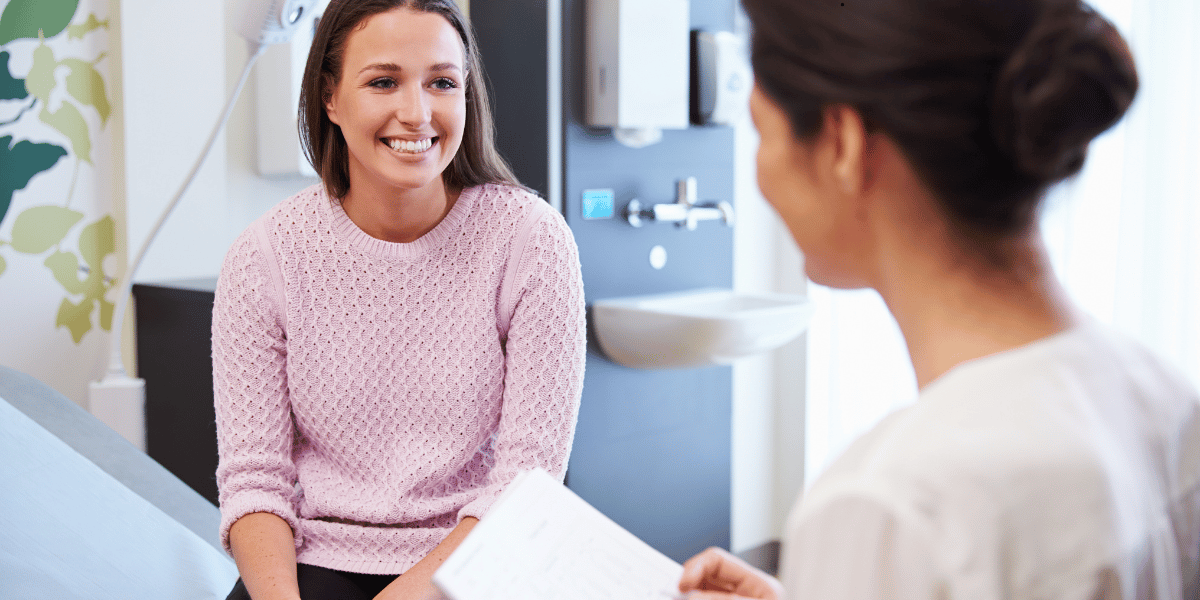
During a ketamine session, the patient rests comfortably in a calm, monitored space. The treatment is a non-invasive procedure, delivered through IV infusion, intramuscular injection, or nasal spray.
As the medication enters the bloodstream, patients may experience mild sensations of dissociation or relaxation. Behind the scenes, ketamine is activating areas of the brain that regulate mood and emotion, reducing the hyperactivity associated with major depression and anxiety disorders.
Over a series of ketamine sessions, these new neural pathways strengthen, often resulting in measurable symptom relief even for those who’ve struggled for years.
And because ketamine helps create lasting structural change in the brain, it doesn’t just treat symptoms temporarily; it lays the groundwork for long-term recovery.
People often turn to ketamine after exhausting other treatment options, and for good reason. Traditional antidepressants can take six to eight weeks to work (if they work at all). By contrast, ketamine’s effects are often noticeable after the first or second treatment.
For many, it’s not just the speed, but the feeling, a deep, authentic lightness replacing the emotional weight they’ve carried for years.
Ketamine also has a unique ability to help people re-engage with therapy. When depressive fog lifts, patients can finally process trauma, rebuild confidence, and reconnect with the world around them.
That’s why top clinics, like NeuroplasticityMD, pair ketamine infusions with psychotherapy and medicine management, helping every patient translate neurobiological healing into emotional growth.
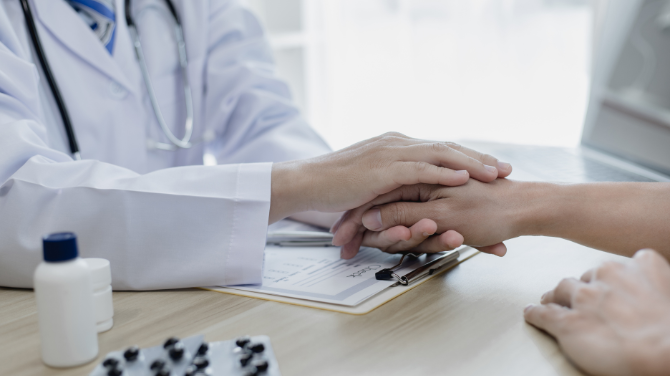
Searching for the right Ketamine Treatment New Jersey provider can feel overwhelming, especially with so many new clinics opening. Here’s what sets a trustworthy center apart:
The goal isn’t just to feel better today. It’s to create the conditions for lasting change.
At its core, ketamine isn’t just a medication, it’s a catalyst for growth. It enhances the brain’s neuroplasticity, making it easier to form healthier emotional responses and habits.
For individuals battling major depressive disorder or treatment-resistant depression, that means not only reducing pain but rediscovering purpose.
The same mechanism may also benefit people living with OCD, bipolar disorder, or chronic pain, where disrupted neural communication plays a central role.
And while the treatment is still being explored through clinical trials, its impact is undeniable: for the first time in decades, psychiatry has a therapy that truly reshapes the brain.
Mental health recovery has always required courage, but it also requires innovation. Ketamine Treatment in New Jersey represents both. It bridges modern neuroscience with compassionate care, giving hope to those who once felt beyond help.
If you’ve been searching for a way forward, for yourself or a loved one, ketamine might be the beginning of a new chapter. It’s not about erasing your past. It’s about giving your brain the power to imagine a future again.
And in the hands of experienced, board-certified professionals, that future can start right here, in New Jersey.
Bipolar disorder is complex, unpredictable, and often difficult to manage...
Continue ReadingLiving with obsessive-compulsive disorder can feel exhausting in ways that...
Continue ReadingAnxiety disorders affect millions of adults nationwide and remain one...
Continue ReadingKetamine works by stimulating glutamate activity, which increases communication between nerve cells in the prefrontal cortex, the area that regulates emotion and mood. This surge enhances neuroplasticity, the brain’s ability to form new connections. As these networks strengthen, symptoms of major depression, PTSD, and anxiety often begin to fade, allowing patients to feel more present, resilient, and emotionally balanced.
Each session takes place in a calm, monitored environment. Ketamine is administered through IV infusion or nasal spray as a non-invasive procedure. Patients typically experience a light, dream-like state as the medication activates specific areas of the brain responsible for mood regulation. The effects fade within an hour, and most people leave feeling relaxed, reflective, and often relieved of emotional heaviness.
Many patients begin noticing symptom relief within hours or days. Improvements can last weeks or even months depending on individual response and follow-up care. Because ketamine enhances brain stimulation and neural flexibility, it can create long-term positive changes when combined with therapy or wellness practices. Some people continue occasional maintenance sessions to reinforce progress.
Yes. While it’s most recognized for treating treatment-resistant depression, ketamine has also shown success in managing bipolar disorder, obsessive-compulsive disorder, chronic pain, and certain mood disorders. Its ability to rebalance brain cells and neurotransmitter activity allows it to target multiple mental health conditions where traditional medications fall short.
Most side effects are short-lived and mild. Patients might experience lightheadedness, nausea, or brief dissociation during the session. Unlike older treatments such as electroconvulsive therapy, ketamine doesn’t require anesthesia or cause memory loss. It’s considered a safe outpatient procedure when administered by trained, board-certified clinicians following evidence-based treatment courses.
We use cookies to improve your experience on our site. By using our site, you consent to cookies.
Manage your cookie preferences below:
Essential cookies enable basic functions and are necessary for the proper function of the website.
You can find more information in our Cookie Policy and Privacy Policy.
Our goal is to offer lasting solutions that stand strong against the obstacles you encounter. Prioritizing durability while providing immediate relief, we are dedicated to helping you reclaim control and embrace a brighter future.